


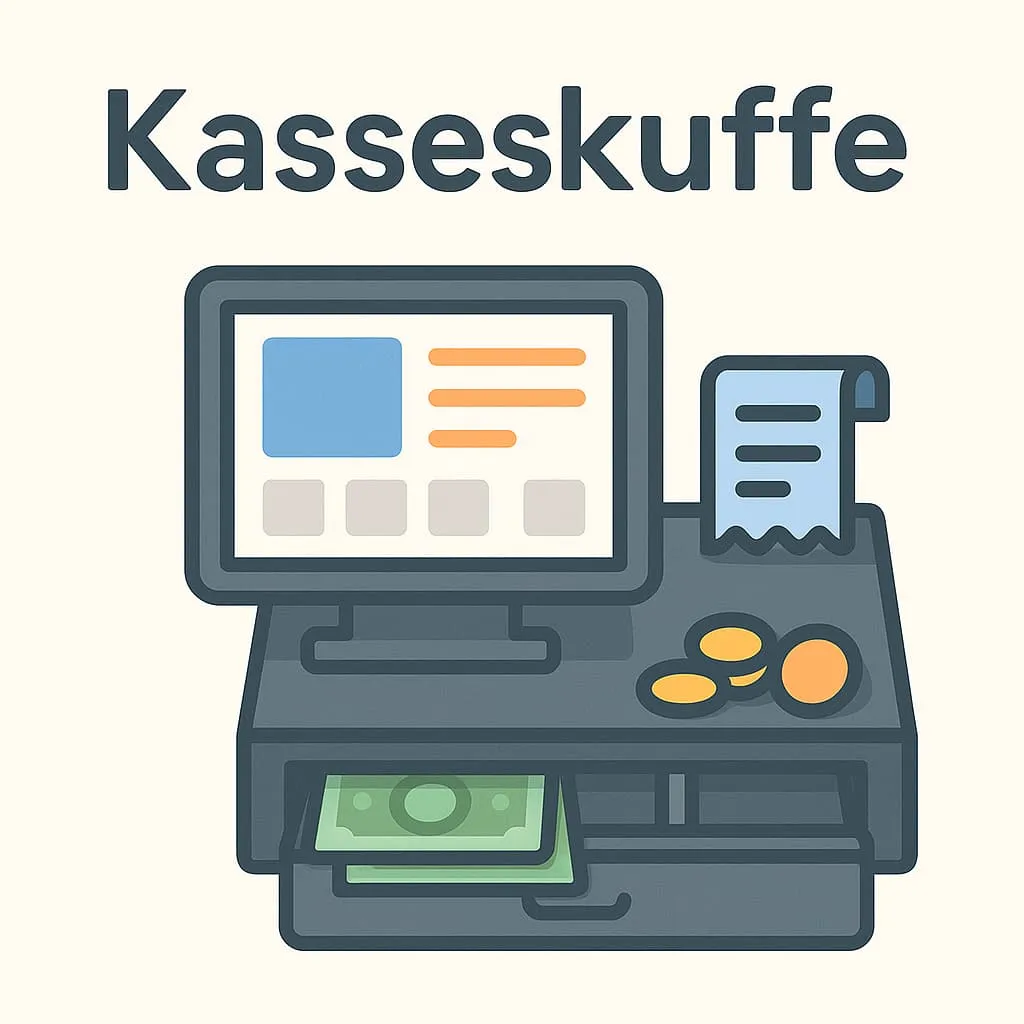
What is a cash drawer?
A cash drawer is an integrated part of your POS (point-of-sale) system and is where cash, change and physical documentation – such as receipts – are kept during the business day. It is usually connected to your receipt printer and opens automatically when a cash payment is completed in the system.
A cash drawer can be manual or electronically controlled, but in modern till systems – like those Flexybox offers – it is usually electronic and only opens for approved transactions to keep control of the cash.
A POS system with a cash drawer helps you keep track of your cash, minimise the risk of errors and makes it easier to reach a correct cash balance. It also helps prevent a cash discrepancy, where the physical amount in the drawer doesn’t match the amount in the till system.
An example from a restaurant
Imagine you run a café. During the day, a number of customers pay cash for their orders. Every time a cash payment is recorded in your POS system, the cash drawer is opened automatically by the receipt printer. You put the customer’s cash in and hand back the correct change. When the shift ends, the amount in the cash drawer is counted and compared with the cash report to work out the cash balance.
Why is it important to understand the cash drawer?
As a restaurant or café owner, it is important to keep the cash drawer under control, because this is where most of the daily cash handling takes place. Using the cash drawer correctly ensures:
– Accurate and easy control of cash payments
– Fast and secure customer service
– A better overview at the end-of-day till count
– More security and less risk of theft or errors
If you don’t understand how the cash drawer works together with your POS system, it can lead to cash discrepancies or a lack of overview of your cash on hand.
Cash drawer in Flexybox
In Flexybox’ POS system, cash drawers are used for secure and efficient storage of cash during transactions. The drawer is integrated with the system and only opens when specific actions are performed – such as a cash payment – so you have full control over access. This helps you make sure the cash on hand adds up at the end of the shift and minimises the risk of financial deviations.
Frequently asked questions
Not necessarily. If you only accept card and mobile payments, you can manage without a cash drawer. But if you take even a few cash payments, a cash drawer is still necessary for secure storage.
Yes, cash drawers in modern POS systems are secured and stay locked until an approved action is performed in the till system – for example a cash payment or a till count.
You count the till at the end of the shift and compare the physical amount in the cash drawer with what the system reports as the expected cash on hand. This is called the cash balance.
If there is a difference between the physical cash and the amount recorded in the system, you have a cash discrepancy that needs to be investigated. It may be caused by errors in giving change, missing entries or problems with access to the drawer.