


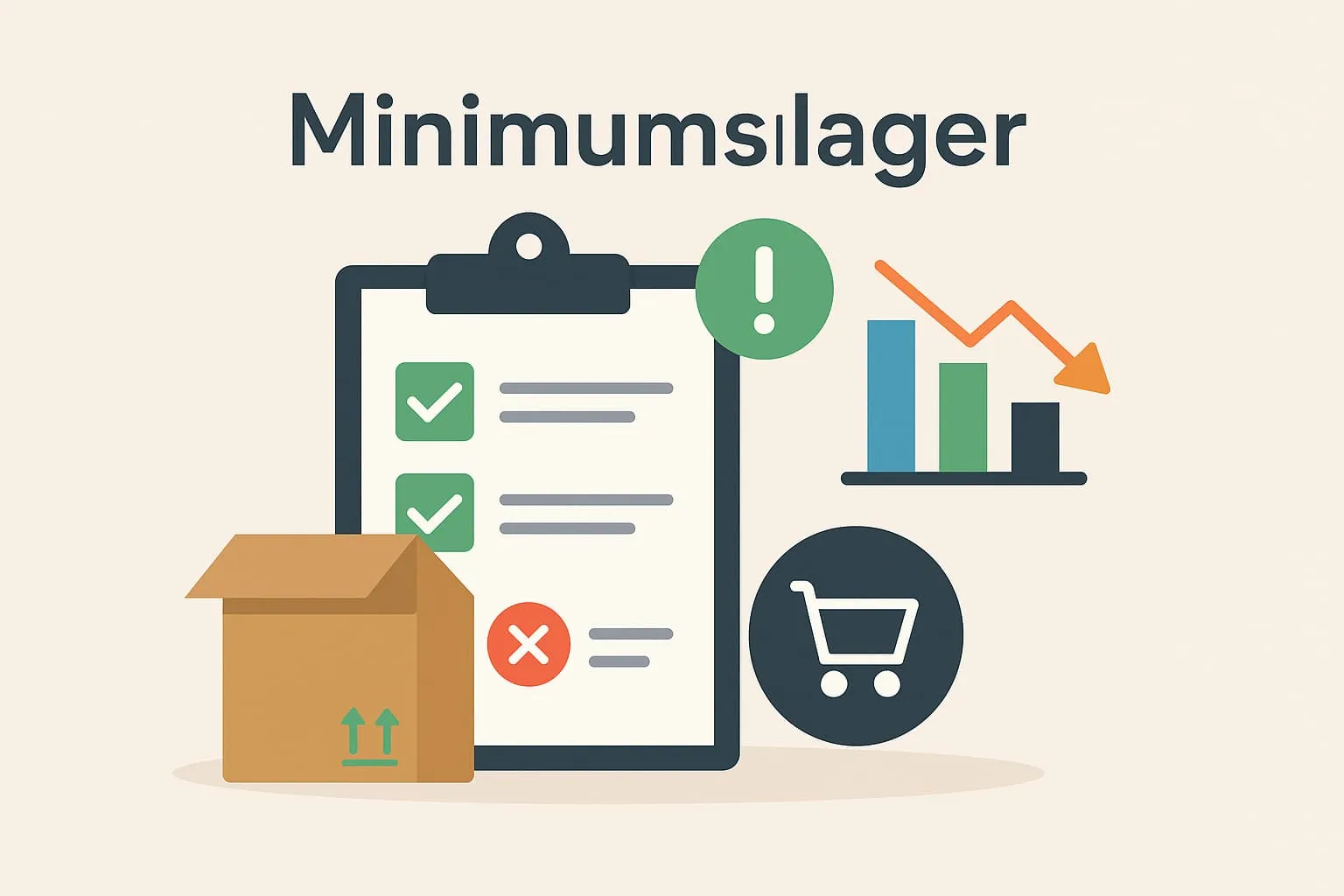
What is minimum stock?
Minimum stock is the smallest quantity of an item you should keep in stock to make sure your restaurant or café can keep running without interruption. It works as a kind of “safety buffer” that helps prevent items from selling out and guests from being disappointed. When the stock level of an item reaches or falls below the minimum stock, it is a signal that it is time to reorder.
In a busy day where many things need to come together, it is essential that your stock runs smoothly. The minimum stock level can be set individually for each item and should be adjusted for season, demand and delivery time. That way you ensure efficient inventory management, reduce waste and avoid overfilled storerooms.
Example from a restaurant or café:
Imagine you run a café that sells large amounts of barista milk every week. If you know you use an average of 100 litres of milk a week, and your supplier can only deliver new goods after 3 days, you could set the minimum stock to, for example, 30 litres. As soon as stock falls to 30 litres or lower, you are automatically alerted to the need to reorder – and you don’t risk running out of milk for your cappuccinos.
Why is minimum stock important in a POS system?
A modern POS system doesn’t just help you handle payments, but also keeps track of product usage, sales patterns and stock levels. Minimum stock is a key function here. When the minimum stock is set correctly, the system can automatically suggest reorders, which contributes to more efficient operations and fewer interruptions due to items selling out.
By connecting your stock data with sales data, the POS system can also help find the optimal minimum stock based on historical sales and seasonal variations. That way you minimise the risk of both overstocking and missing items.
How does Flexybox use minimum stock?
In the Flexybox till system, minimum stock works as a lower stock limit used to give automatic purchase suggestions. The system takes into account the item’s rate of sale and any seasonal fluctuations. When an item reaches its minimum stock, the system suggests a new purchase order, so you are one step ahead in your inventory management. This helps make sure you never run out of important items in the kitchen or bar – without having to monitor each item manually.
See also:
Read more about Reordering
Read more about Average cost price
Frequently asked questions
Look at past sales figures, delivery times and any seasonal fluctuations. A POS system like Flexybox can help you analyse your sales and suggest suitable minimum levels.
When an item reaches its minimum stock, Flexybox automatically generates a purchase suggestion based on usage and your history. You can still edit or confirm the order.
Yes, you can always adjust the minimum stock manually in your POS system, for example if you see changes in sales patterns or delivery times.
You can set minimum stock individually for each item, so you have full flexibility in your inventory management and only order what is needed.